Հայերեն
 Русский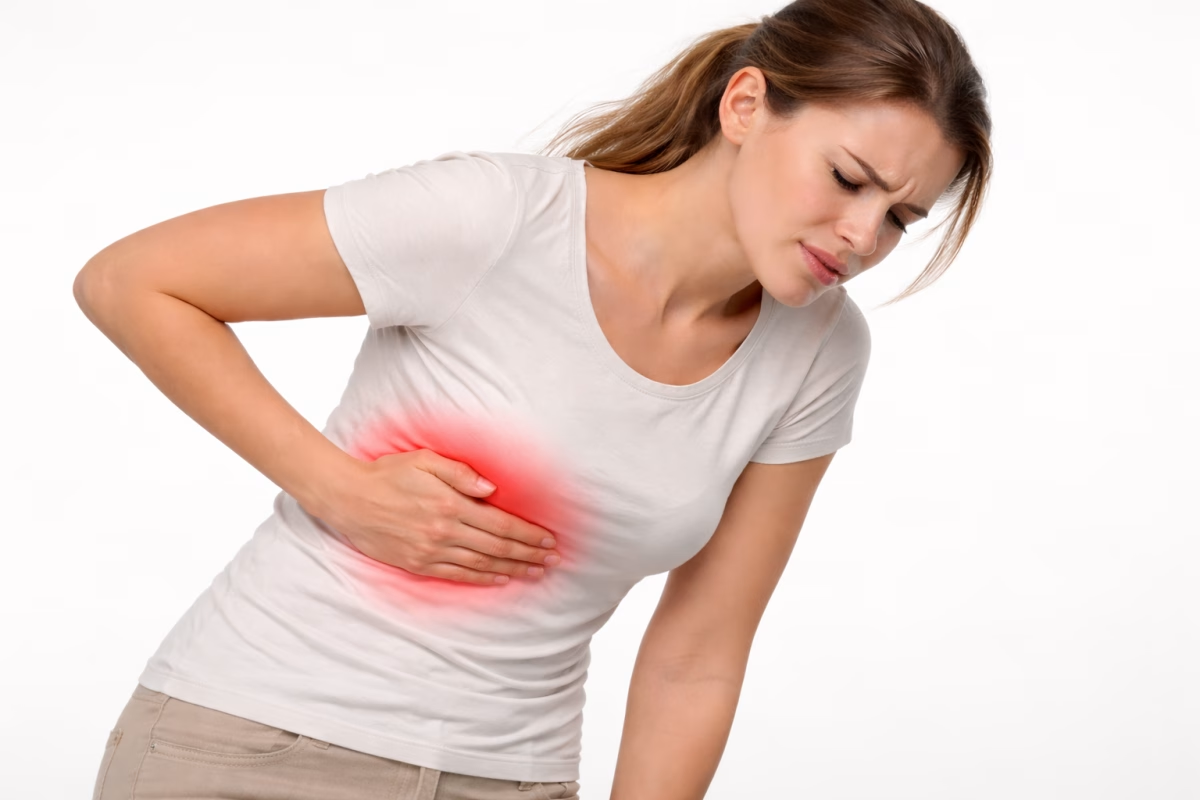
Right upper quadrant pain
is a clinical symptom localized in the right upper quadrant of the abdomen (RUQ).
It is most commonly associated with pathology of:
the hepatobiliary system,
the duodenum,
the pancreas (referred pain),
the right kidney,
the colon,
the diaphragm and pleura.
Pain is a symptom rather than an independent disease and requires differential diagnosis.
Causes and Risk Factors
1. Biliary System Disorders (most common cause of RUQ pain)
Cholelithiasis (gallstone disease)
Biliary colic
Acute and chronic cholecystitis
Cholangitis
Risk factors for gallstone disease:
Female sex
Obesity
Insulin resistance
Rapid weight gain or weight loss
Pregnancy
2. Liver Diseases
Metabolic dysfunction–associated steatotic liver disease (MASLD)
Viral hepatitis
Alcohol-related liver disease
Autoimmune liver diseases
Acute hepatitis
Important: The liver parenchyma itself does not contain pain receptors; pain occurs due to stretching of the liver capsule or inflammation.
3. Duodenal Pathology
Duodenal peptic ulcer disease
Duodenitis
4. Other Causes
Right-sided renal colic
Pyelonephritis
Lower lobe pneumonia
Pleuritis
Musculoskeletal pain
Intercostal neuralgia
Visceral hypersensitivity at the hepatic flexure of the colon
Main Pathophysiological Mechanisms
The mechanism of pain depends on the underlying cause:
Gallbladder spasm → colicky pain
Bile duct obstruction → increased intraductal pressure
Inflammation → activation of visceral nociceptors
Stretching of the liver capsule → dull aching pain
Somatic pain (muscles, nerves) → worsens with movement
Biliary pain typically:
is localized in the right upper quadrant or epigastrium;
lasts ≥ 30 minutes;
does not improve after defecation;
is not related to changes in body position.
Symptoms
Symptoms depend on the underlying cause.
In biliary pathology:
Pain after fatty meals
Nausea and vomiting
Radiation of pain to the right scapula
Fever (in inflammatory conditions)
Jaundice (in case of obstruction)
In peptic ulcer disease:
Association with food intake
Nocturnal pain
In renal colic:
Radiation to the groin
Dysuria
Diagnosis (Criteria)
The diagnostic approach is based on assessment of:
Character of pain
Duration
Associated symptoms
Laboratory findings
Basic investigations
Complete blood count
Liver biochemistry (ALT, AST, bilirubin, ALP, GGT)
Abdominal ultrasound
When indicated
MRI / MRCP
CT scan
Esophagogastroduodenoscopy (EGD)
Viral hepatitis markers
Renal investigations
Alarm features require urgent evaluation.
Treatment
Treatment depends on the established diagnosis.
In gallstone disease:
For symptomatic cases — cholecystectomy (according to international guidelines).
In functional biliary pain:
Symptomatic therapy
Assessment according to Rome IV criteria
In inflammatory diseases:
Antibiotic therapy (when indicated)
In liver pathology:
Treatment of the underlying disease (viral, metabolic, autoimmune)
Pain management without identifying the cause is not an adequate therapeutic strategy.
Complications and Prevention
Possible complications:
Acute cholecystitis
Cholangitis
Pancreatitis
Progression of liver disease
Prevention:
Weight control
Correction of metabolic disorders
Moderate dietary fat intake
Timely medical consultation
When to See a Doctor
Severe pain lasting > 30–60 minutes
Recurrent episodes
Fever
Jaundice
Dark urine
Vomiting
Progressive weakness
yeranik hambardzumyan
CEO, gastroenterologist, endoscopist

meri soghoyan
gastroenterologist, hepatologist

lucy hovakimyan
gastroenterologist, nutritionist