How to prepare for the examination?
Before undergoing gastroscopy, several important recommendations should be followed:
the examination should be performed according to a physician’s referral;
written informed consent may be required in certain cases;
the physician should be informed about any known allergies or sensitivities to medications or substances;
food and liquids should be avoided for at least 8 hours before the procedure, although additional dietary instructions may be provided when necessary;
it is important to inform the physician about possible pregnancy;
patients with bleeding disorders or those taking anticoagulants or other medications affecting blood clotting should notify the physician, as some drugs may need to be temporarily discontinued;
individuals with cardiovascular disease or immune system deficiency should inform the physician, since certain interventions may require prophylactic antibiotic therapy.
Gastroscopy may be performed under local anesthesia, using lidocaine spray in the oropharynx, or under intravenous sedation. The latter usually lasts 10–15 minutes and provides optimal comfort during the examination.
How to ensure a high-quality examination?
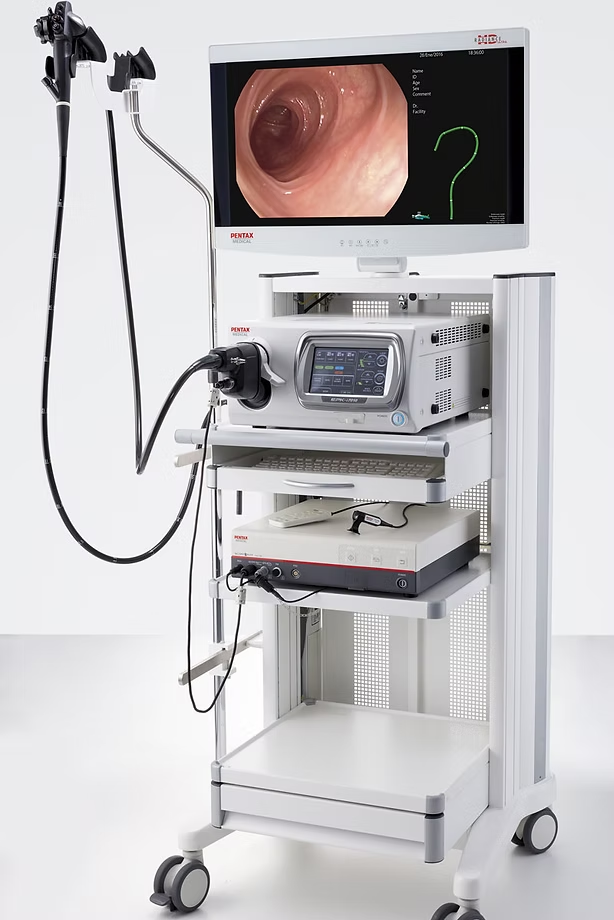
High-quality gastroscopy depends on proper patient preparation and strict adherence to medical recommendations. In addition, the level of equipment and the experience of the endoscopist play a crucial role.
Therefore, performing the examination under intravenous sedation allows for a more thorough inspection of the gastrointestinal mucosa and, if necessary, the safe performance of therapeutic interventions without causing discomfort to the patient.
What to expect after the examination?
After the procedure, the patient remains under medical observation for a short period. Once blood pressure, heart rate, and breathing are stable, the patient may leave the endoscopy unit.
However, if the examination was performed under intravenous sedation, driving a vehicle on the same day is strictly prohibited. Eating and drinking should be avoided until the gag reflex has fully returned. Mild throat discomfort or numbness may persist for several days and is considered normal.
If a biopsy specimen was obtained during the examination, histological results are typically available within 7–10 working days. Normal daily activities can usually be resumed unless otherwise advised by the physician.
Service prices


 Հայերեն
 Русский