General Information
Under normal conditions, hydrogen is not detected in the fasting breath of a healthy individual, as it is not produced during human metabolism. However, hydrogen production begins when certain carbohydrates are fermented by anaerobic intestinal bacteria.
The majority of anaerobic bacteria are located in the colon. In contrast, the small intestine normally contains only a minimal number of anaerobic bacteria, mainly in its distal segment. In pathological conditions such as small intestinal bacterial overgrowth, the number of anaerobic bacteria in the small intestine increases significantly. As a result, gas production, including hydrogen, becomes excessive.
In addition to the liver and kidneys, the lungs are also considered organs of excretion. Certain gases produced during bacterial metabolism in the intestine are released through the lungs. One of these gases is hydrogen, which can be measured using specialized breath testing devices.
Examination Method
Hydrogen produced in the intestinal lumen is absorbed into the bloodstream and subsequently excreted via the lungs. For this reason, its concentration can be measured in exhaled air.
Measuring breath hydrogen levels allows assessment of anaerobic bacterial activity in the intestine and helps identify deviations from normal values. Moreover, the timing of hydrogen elevation during the test indicates the intestinal segment where fermentation processes occur.
When Is the Test Performed?
The hydrogen breath test is prescribed by a physician, usually a gastroenterologist or therapist. It is a modern diagnostic tool for evaluating disorders of the intestinal microbiota and intolerance to specific dietary carbohydrates, such as lactose and fructose.
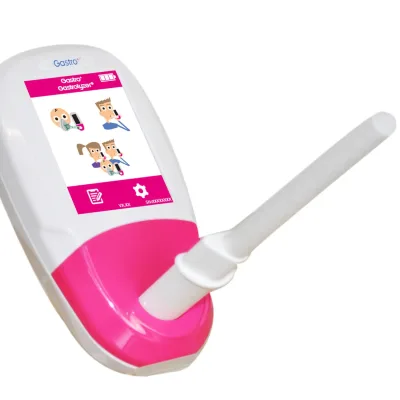
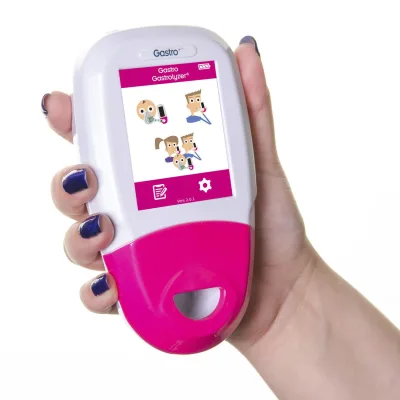
The test is performed using a portable hydrogen analyzer. It is recommended for patients with bloating, excessive gas formation, diarrhea or constipation, as well as for those with suspected SIBO or carbohydrate malabsorption.
Indications
The hydrogen breath test is indicated for patients with gastrointestinal diseases, including:
chronic gastritis and functional dyspepsia;
gallbladder and biliary tract dysfunction;
chronic pancreatitis, including exocrine pancreatic insufficiency;
gallstone disease;
liver cirrhosis;
diabetes mellitus;
functional constipation;
irritable bowel syndrome;
lactose intolerance, including adult hypolactasia;
fructose intolerance.
The test is also recommended in the presence of the following symptoms:
abdominal bloating and excessive gas;
bowel habit disturbances (diarrhea or constipation);
bitter taste or unpleasant sensation in the mouth.
Additionally, the test may be indicated in the following situations:
Contraindications
Absolute Contraindications
The test should not be performed in the following cases:
documented episodes of significant hypoglycemia, either fasting or postprandial;
postprandial hypoglycemia;
use of laxatives, including lactulose, within the previous 4 days;
previously diagnosed lactose intolerance with pronounced diarrhea;
recent radiological examination of the intestine using barium (within the last 7 days).
Relative Contraindications
Relative contraindications include:
antibiotic use within the last 4 weeks;
recent colonoscopy;
radiological examination of the intestine with barium within the last 4 weeks;
presence of an ileostomy.
Test Procedure
The hydrogen breath test is performed in the morning on an empty stomach.
First, a baseline breath sample is collected. The patient takes a deep breath and exhales fully into the testing device.
After that, the patient ingests a solution containing lactulose, lactose, or fructose, depending on the diagnostic goal. Subsequently, breath samples are collected every 15–20 minutes over a period of 2–3 hours.
All collected samples are analyzed using a hydrogen analyzer. The average duration of the test ranges from 120 to 180 minutes. Tests for lactose intolerance and fructose malabsorption are conducted on separate days.
During the examination, temporary symptoms such as bloating, abdominal cramps, or diarrhea may occur. These symptoms are transient and usually do not require treatment.
Proper preparation is essential to ensure reliable results.
The test is performed fasting; a light dinner is recommended the evening before.
Alcohol, milk, onions, garlic, cabbage, juices, legumes, and chewing gum should be avoided for 24 hours prior to the test.
Smoking and physical exercise are not recommended within 2 hours before the test.
Alcohol-containing medications should be discontinued 1 day before the test.
Laxatives should be discontinued at least 3 days prior.
Probiotics, bismuth preparations, and proton pump inhibitors should be stopped 2 weeks before the test.
Antibiotics should be discontinued at least 4 weeks before the examination.
On the day of the test, essential medications may be taken with water, except for vitamins, laxatives, and antibiotics. Brushing teeth in the morning is recommended. Dentures fixed with adhesive agents should not be worn on the day of the test, as they may affect test accuracy.
If the baseline hydrogen level is ≥5 units, the test will be postponed and rescheduled.
Test Results
After completion of the test, the physician provides a written conclusion.
If small intestinal bacterial overgrowth is detected, consultation with a gastroenterologist is required to determine appropriate treatment and the need for additional investigations.
Why Gastro Health Center?
Hydrogen breath testing is not widely available in many medical institutions. In Armenia, this test is performed at our center.
Based on the test results, patients receive consultation from an expert gastroenterologist. If necessary, additional diagnostic procedures such as ultrasound or laboratory tests can be arranged. All examinations are carried out in comfortable conditions.
Service Prices
Hydrogen breath test for SIBO — 18,000 ֏
Hydrogen breath test for lactose intolerance — 18,000 ֏
Hydrogen breath test for fructose intolerance — 14,000 ֏
Hydrogen breath test for glucose intolerance — 14,000 ֏
Hydrogen breath test for sorbitol intolerance — 12,000 ֏
Hydrogen breath test for xylitol intolerance — 12,000 ֏


 Հայերեն
 Русский