

 Հայերեն
 Русский
Lactose Intolerance
hydrogen breath test
hydrogen breath test
The hydrogen breath test is a non-invasive method used to detect impaired lactose digestion. It is based on measuring hydrogen produced during bacterial fermentation of undigested lactose.
Unlike SIBO, hydrogen elevation in l. intolerance occurs later, which allows these two conditions to be reliably differentiated.
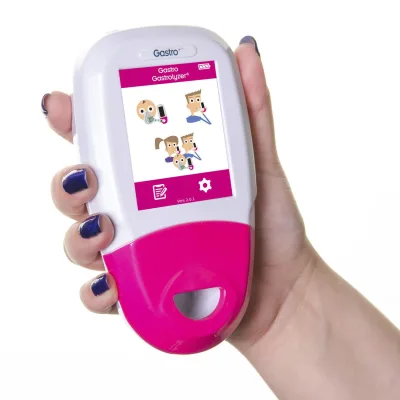
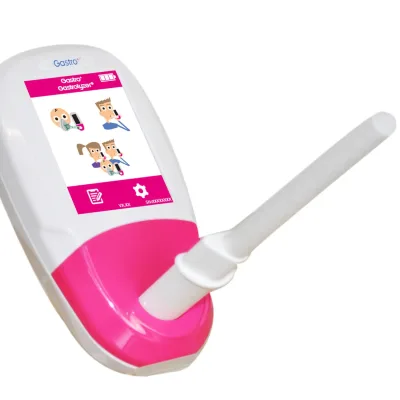
After ingestion of a lactose solution, hydrogen production increases only if lactose is not properly digested. A rise in hydrogen concentration in exhaled air indicates lactose malabsorption.
The test is prescribed by a physician when lactose intolerance is suspected. It is particularly recommended for patients whose symptoms develop after consumption of milk or dairy products.
bloating after dairy intake,
diarrhea following milk consumption,
abdominal pain and intestinal discomfort,
suspected adult-type hypolactasia,
differentiation between SIBO and food intolerance.
Absolute and relative contraindications are the same as for the SIBO hydrogen breath test and include hypoglycemia, recent antibiotic use, lactulose intake, and recent barium studies.
The examination is carried out on an empty stomach. Baseline hydrogen levels are measured first, followed by ingestion of a lactose solution. Serial breath samples are collected over the next 2–3 hours.
Testing for lactose intolerance is performed on a separate day and is not combined with SIBO testing.
Preparation rules are identical to those for the SIBO breath test and include dietary restrictions, medication withdrawal, and avoidance of physical exertion before the examination.
Based on the hydrogen curve, the physician determines whether lactose intolerance is present and provides appropriate dietary and therapeutic recommendations.