Հայերեն
 Русский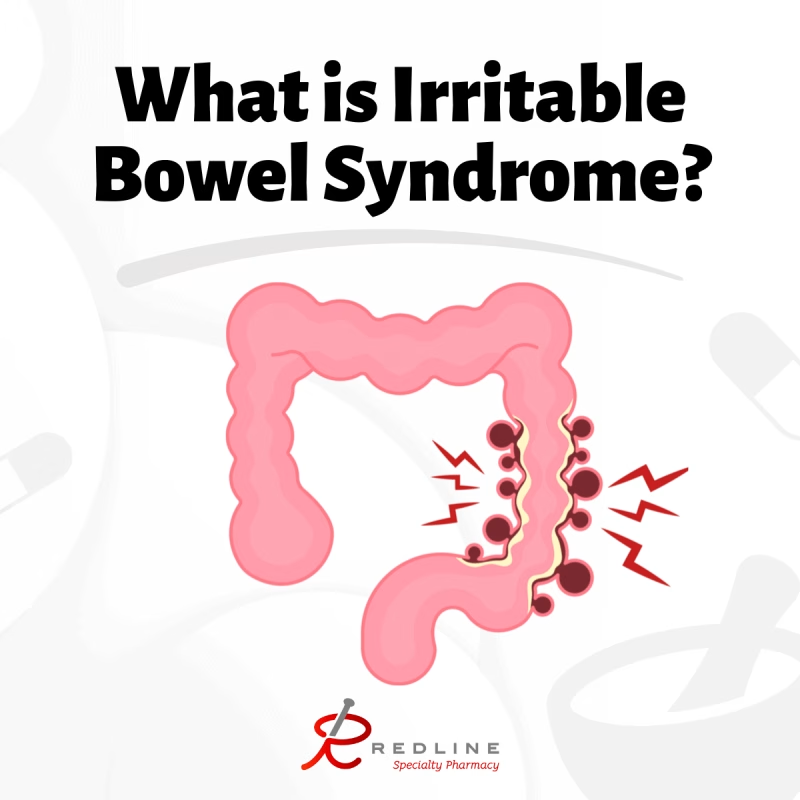
Irritable Bowel Syndrome (IBS)
Irritable bowel syndrome is a functional gastrointestinal disorder characterized by recurrent abdominal pain and changes in bowel habits in the absence of structural pathology.
Causes and risk factors
Dysregulation of the gut–brain axis
Visceral hypersensitivity
Post-infectious changes
Psychological stress
Female sex
Main pathophysiological mechanisms
Altered intestinal motility
Nervous system dysregulation
Changes in gut microbiota
Symptoms
Recurrent abdominal pain
Diarrhea, constipation, or alternating bowel habits
Bloating
Diagnosis (criteria)
- The diagnosis is based on the Rome IV criteria.
Additional investigations are indicated only in the presence of “alarm symptoms”. - Alarm symptoms include unexplained weight loss, nocturnal abdominal pain, blood in the stool, fever, symptom onset at an older age, and a family history of colorectal cancer or autoimmune diseases.
Treatment
Symptom-directed pharmacological therapy (antispasmodics, intestinal antibiotics, neuromodulators)
Dietary therapy
Psychological interventions when indicated
Complications and prevention
IBS does not cause structural damage to the intestine and does not increase the risk of malignancy.
When to see a doctor
In the presence of abdominal pain, diarrhea, constipation, alternating bowel habits, or bloating.
ONLINE BOOKING
yeranik hambardzumyan
CEO, gastroenterologist, endoscopist

meri soghoyan
gastroenterologist, hepatologist

lucy hovakimyan
gastroenterologist, nutritionist