Հայերեն
 Русский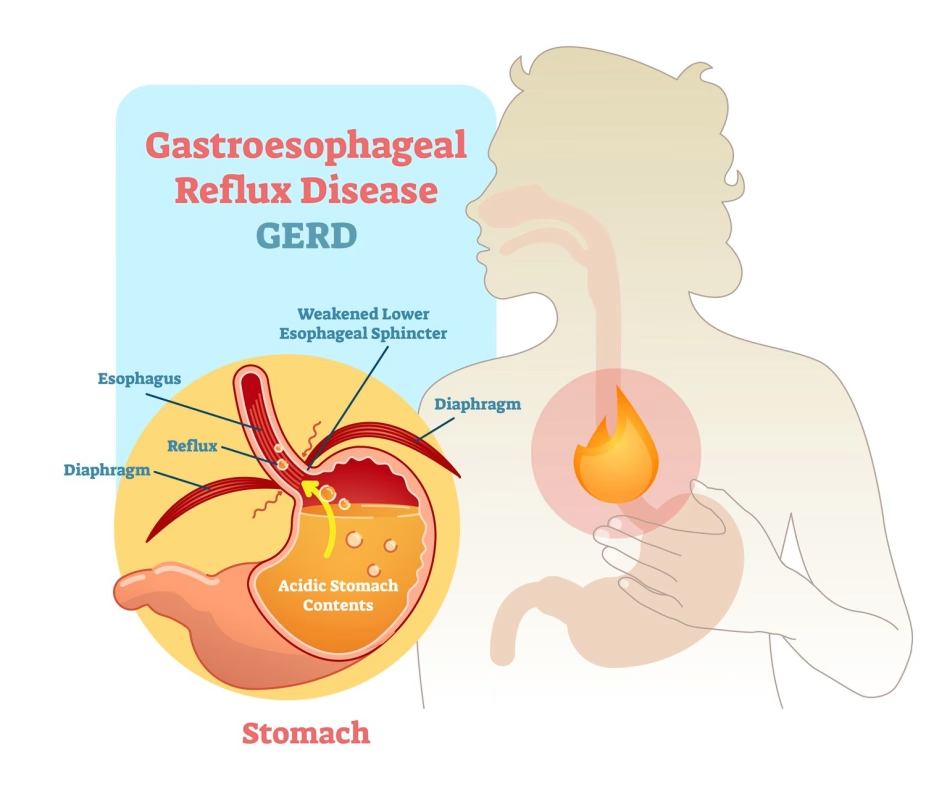
Definition
Gastroesophageal reflux disease (GERD, acid reflux) is a chronic condition characterized by the reflux of gastric contents into the esophagus, leading to symptoms and/or mucosal injury.
The primary mechanism involves dysfunction of the lower esophageal sphincter.
Symptoms of acid reflux
Heartburn
Acid regurgitation
Globus sensation
Non-cardiac chest pain
Chronic cough or hoarseness
Diagnosis
Upper endoscopy is recommended in patients with alarm symptoms or refractory disease.
Treatment
Lifestyle modification
Weight reduction
Avoiding late meals
Head-of-bed elevation
Pharmacologic therapy
Proton pump inhibitors — first-line therapy
H2 receptor antagonists — selected cases
Long-term therapy should be individualized and evidence-driven.
Complications
Erosive esophagitis
Peptic strictures
Barrett’s esophagus
Increased risk of esophageal adenocarcinoma

yeranik hambardzumyan
CEO, gastroenterologist, endoscopist

meri soghoyan
gastroenterologist, hepatologist

lucy hovakimyan
gastroenterologist, nutritionist